
Retail Store Books CleanupYou didn't open a store to discover shrinkage only when cash runs out.
The register, the shelves and the books tell three stories. We make them tell one: every account reconciled to the bank, sales tax you collected set aside, gift cards and deposits out of income, cost of goods on time. Steven Palmieri does this as a Tax CFO, the Entrepreneur's CFO, and then the month closes on a date so it stays true.


The shelf
Inventory is a rumor: POS, shelves and books disagree; we find which one is lying.
Click to see the shelf ›Tap to see the shelf ›
The channels
Channels hide losers: online, wholesale and walk-in piled together; we split them so you can kill what doesn't work.
Click to see the channels ›Tap to see the channels ›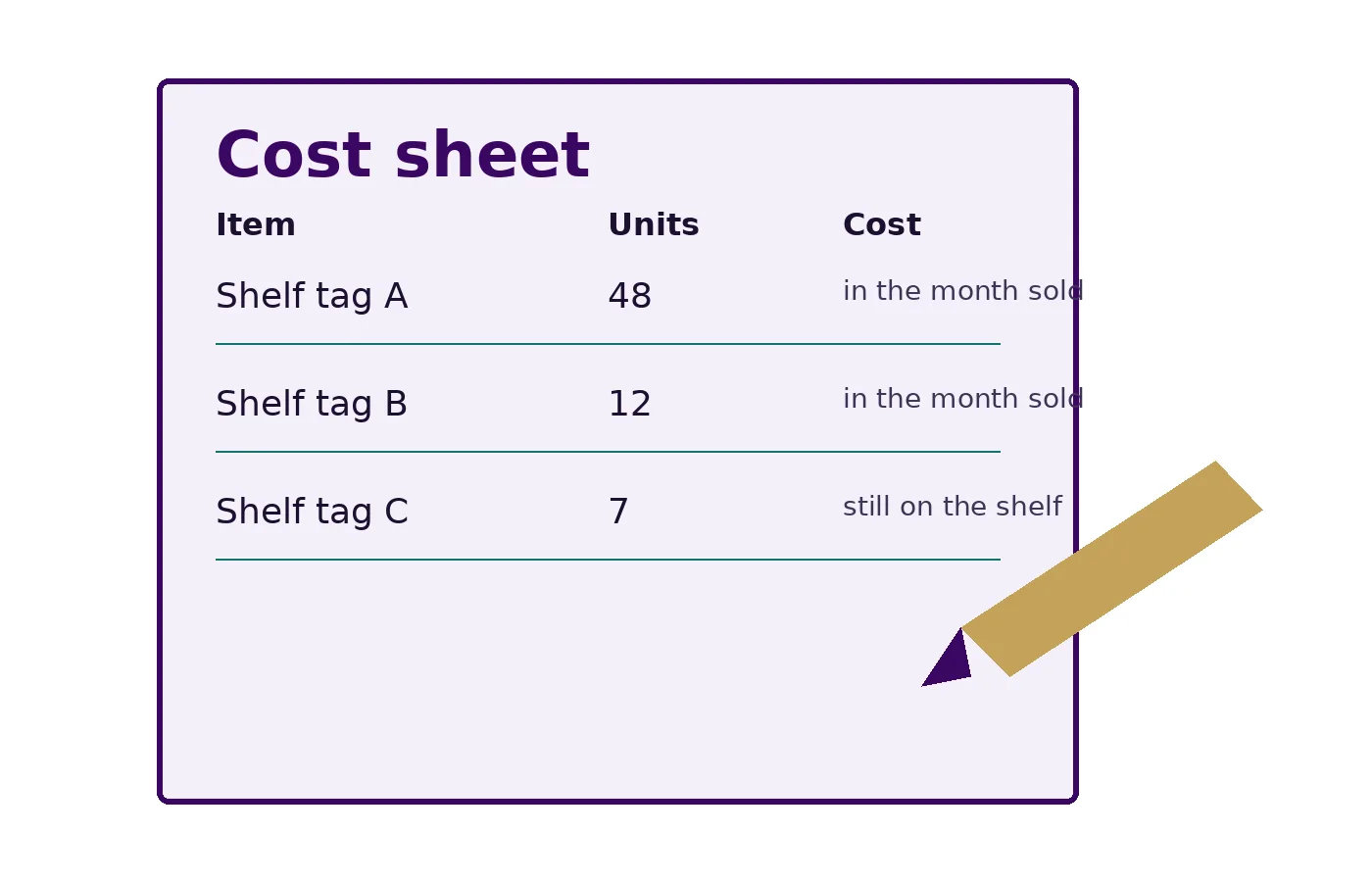
The cost
Cost of goods, on time: without clean cost every sale is a gamble; we book it in the month it sold.
Click to see the cost ›Tap to see the cost ›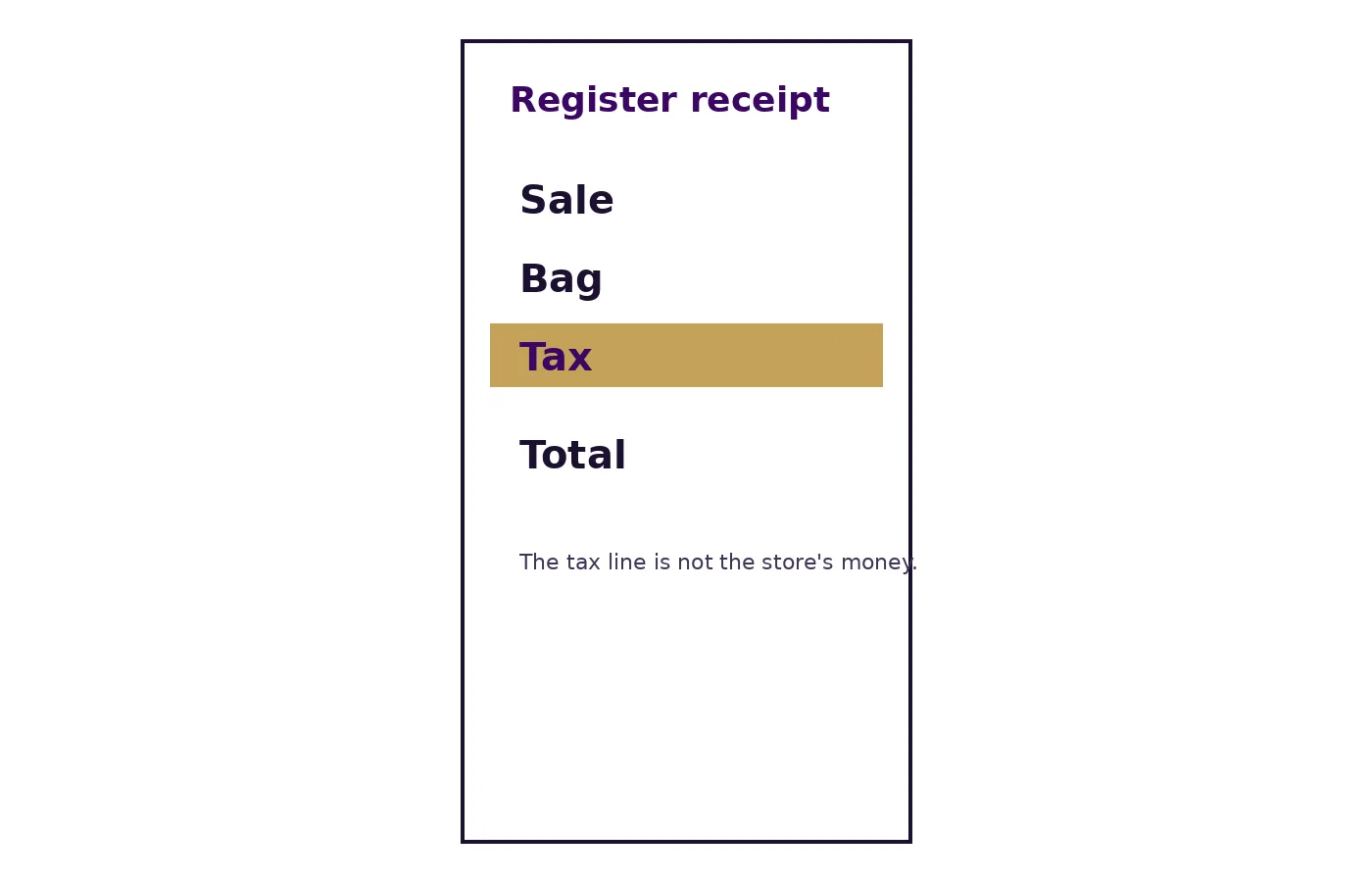
Tax set aside
Tax you collected is not yours: sales tax sits in its own account from the day it is rung up.
Click to see the tax line ›Tap to see the tax line ›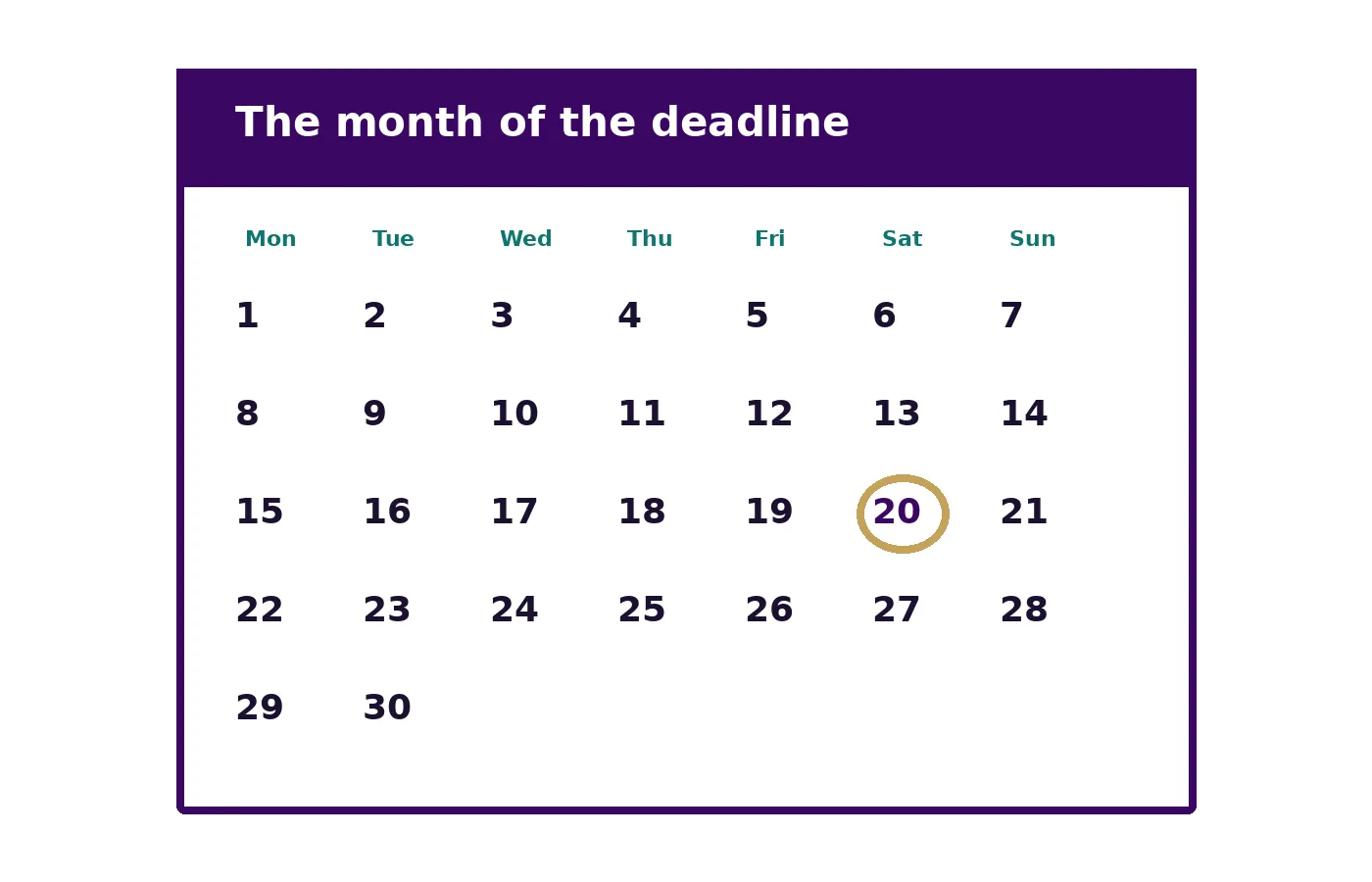
The date
The deadline that made you look: a sales-tax date, a lender, year end; the file is ready for all three after one pass.
Click to see the deadline ›Tap to see the deadline ›
Who does the work
Who does the work: Steven Palmieri and the team, with store owners anywhere by video.
Click to meet Steven ›Tap to meet Steven ›
Six ways a store's books go wrong
Open a card.
1Gift cards sitting in income
We pull unredeemed cards out of sales.
A card sold in November is unearned until a shopper spends it, so a later redemption stops looking like a loss.
2The POS fee netted out of sales
We book the fee apart from the sale.
When the processor keeps a slice, the deposit is smaller than the drawer, and the sale still happened at the sticker.
3Inventory never counted
We tie a count of the items that matter to the file.
A stockroom that was never counted leaves shrinkage invisible until the cash has already gone.
4The owner's purchases on the store card
We mark personal charges and take them off the store.
Household spending on the store card makes the margin look worse than the shelves did that month.
5The deposit that was a loan
We label the transfer as a loan when the paper says so.
Money you put in, or money you were lent, is a balance-sheet item and does not belong in sales.
6The chargeback nobody reversed
We reverse the sale the processor already took back.
A lost dispute that stays in sales keeps a month looking paid after the cash has left.
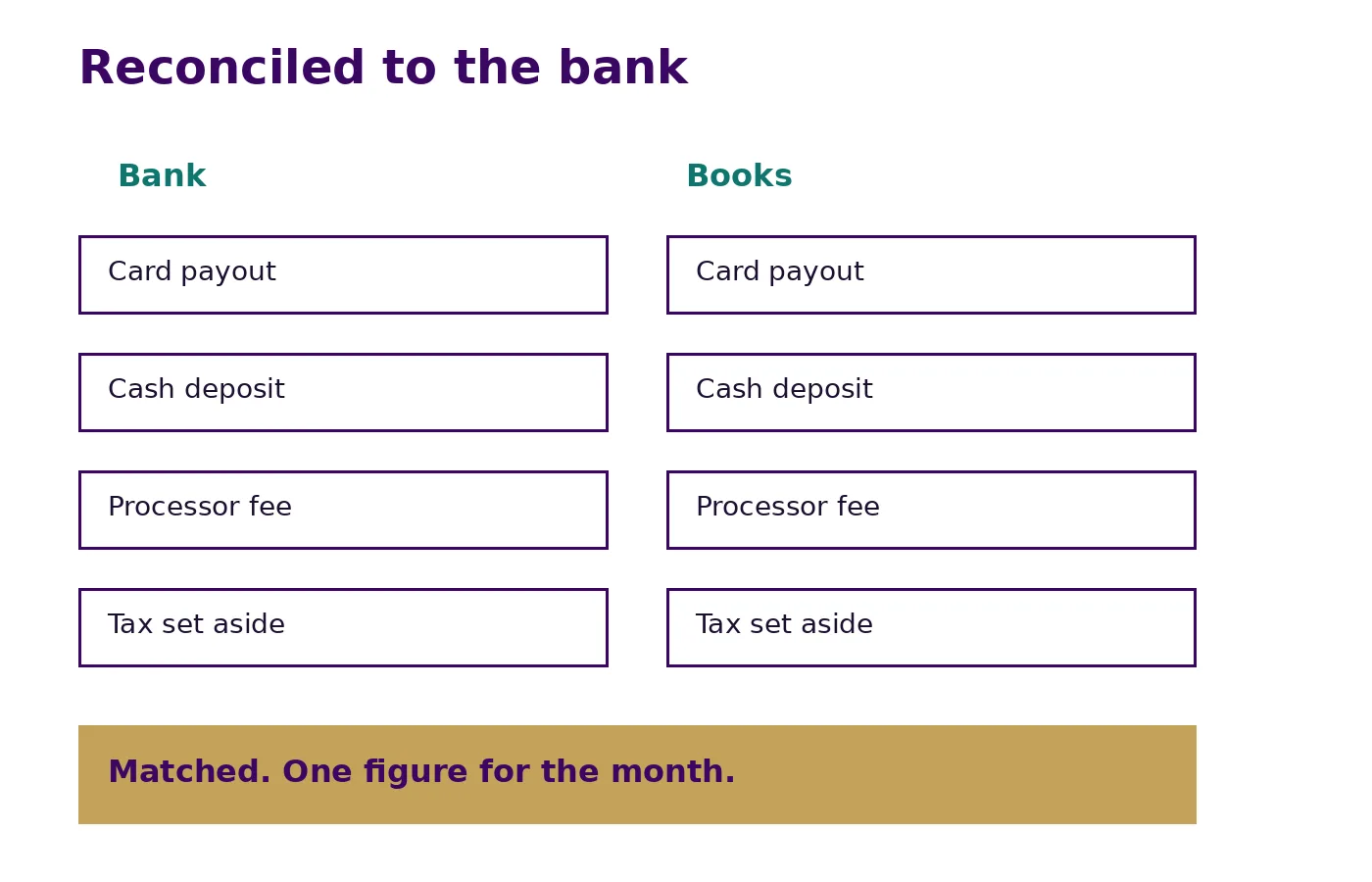
Steven Palmieri, the Tax CFO, reads that matched month with the store owner.
After the door locks.
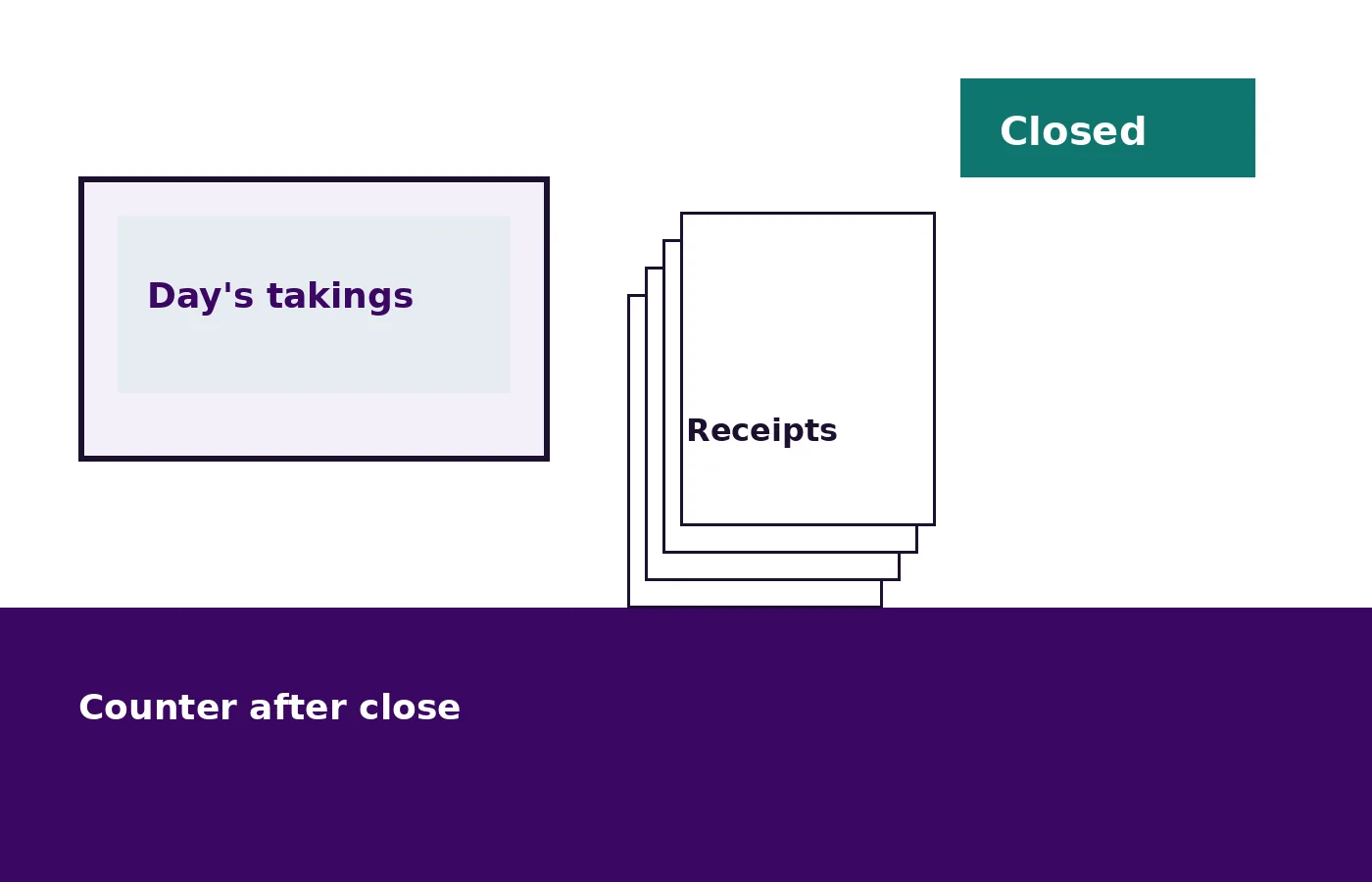
The useful hour is after the last sale, when the drawer has been counted and the floor is quiet. A laptop on the counter still shows the day's takings, and the paper receipts are still in a stack. What the floor did is visible. What the file thinks the day was is a separate question, and that gap is why a cleanup starts from the counter rather than from a slogan.
We read the drawer, the shelf and the bank as one evening. A figure that lives only on a report, with no receipt and no count behind it, gets a name or it leaves the month. The shop you can walk is the thing the file has to catch up to.
Open months, not every old day.
Catch-up is the open months tied to the bank. It is the unearned items pulled out of income. It is a count of the items that move, and the cost of what sold booked in the month it sold. It is not a project to retype every old day for its own sake.
A wall-to-wall count of the slow merchandise can wait. You do have to know which deadline is driving the call, because that decides which months get finished first. A sales-tax date wants the tax you collected set apart from sales. A lender wants a recent month that ties to the bank. Year end wants the old gift cards and the unrecorded returns out of income before anyone closes the year.
Money that is not a sale yet.
Cash in the bank can include tax you already collected for someone else. That slice is not spendable stock money. It belongs in its own account from the day the register rings it, so the balance stops pretending the tax is yours.
Gift cards sold last season can still be sitting in income. The card is unearned until a shopper uses it. Left in income, the closed period looks richer than the cash you are allowed to keep, and the later redemption looks like a loss. Customer deposits have the same shape. A return that belongs to a later month, still mixed into an earlier one, moves profit into the wrong week. The counter being busy is a sufficient explanation. The file still has to be brought back to the floor.
Three different deadlines.
The sales-tax date, the lender's ask, and the year end are different jobs. Doing all of them in one weekend is how a catch-up becomes a second job you resent. The deadline does not care why the file drifted. It cares that the picture you hand over is one you understand.
We name the deadline first and finish the months that deadline actually needs. The other open months stay on a list with a date, instead of being pretended finished. One pass can still leave the file usable for all three, because the tax is apart, the bank ties, and the unearned items are out. Those are three results of one ordering, not three separate rebuilds.
What you send first.
Send the bank access, the processor access, and the name of the deadline. A perfect shelf count is not the starting packet. The deposits you were never sure about can come in the same bundle. That is enough to start.
Busy stores fall behind. The work after the catch-up is to make the next deadline dull. You get back a file the person who files can use, plus a short list for the next ordinary month. The list is the close on a date, the tax set aside, the gift cards kept out of income, and the cost booked when the item sold.
Each channel on its own.
Online, wholesale and walk-in piled into one sales number hide the line that loses money. We split them. Every payout then has a place to land, with the sale, the fee and the refund in the same channel.
A card batch, a marketplace deposit and the cash drawer are three different arrivals. Netted fees make the bank look short of the register. Refunds after the payout make a later day look worse than the floor. Per-channel clearing is how those stop being surprises. When a channel loses, you can see it in time to stop feeding it.
What you get back.
The handback is a month that matches the bank, a tax balance that is not mixed into sales, and a note of what is still open. Steven Palmieri, the Tax CFO, sits with you over that cleaned store file and asks which channel to feed next. The match of the drawer to the bank is the floor. The decision about which line to grow and which goods to stop buying is the work that follows.
We do not replace the person who signs an attest cover. We hand that person, or you, a file that already tells one story. When the next step is the return, that return is built from the store months that already tie to the drawer and the bank. If the next step is only the cleanup, the close date is still the thing that keeps the file true.